The Ultimate Guide to Shoes Material Sourcing: What Really Works in 2026
Last updated:
- September 1, 2026
Key Takeaways
Material selection determines product durability, compliance, and landed cost. This guide covers how Foot On Shoes sources REACH-compliant leather for its full women’s footwear range.
Buyers have shifted their priorities dramatically – according to Deloitte’s Sustainable Consumer research, more than 60% now look for eco-certified footwear. This shift makes shoe material sourcing more crucial than ever for both manufacturers and retailers. The industry’s approach to selecting, testing, and integrating footwear materials into production has changed completely.
The process of finding the right shoe material suppliers looks totally different now, especially when you have new tech reshaping the scene. Factories don’t just use AI tools to cut lead times by 30%, a reduction reported by BCG – they’ve embraced 3D printing that lets them run small test batches of just 50 pairs, according to equipment vendor documentation. Quality control plays a vital role in material selection, and strict inspections ensure materials meet both global standards and EU’s REACH regulations. TPU and elastic polyurethane have become the top choices for 3D-printed footwear, showing how unique materials are gaining ground quickly. In this piece, we’ll explore the most effective approaches to shoe material sourcing that will work in 2025 and beyond.
Understanding the Shoe Material Sourcing Process
The shoe supply chain starts with meticulous material sourcing. Raw materials go through transformation into semi-finished goods before they’re ready for final product creation. Material selection is the life-blood of successful footwear manufacturing. It affects durability, comfort, esthetics, and overall quality.
Manufacturers assess multiple factors during material sourcing. Design finalization comes first. Producers then team up with suppliers to get materials that match specific design requirements and quality standards. They need to assess durability, comfort, style, and these days, sustainability factors too.
Shoe materials come in several main categories:
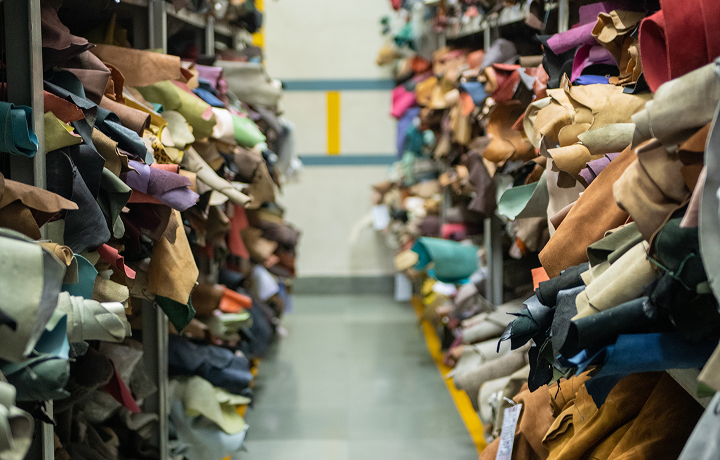
- Leather – Known for its durability, flexibility, and breathability. It needs special care during manufacturing and has a cutting loss between 5-15%, consistent with our own production data
- Textiles – Come in many colors, weaves, and fibers. They range from 110D for lightweight to 600D for heavier applications
- Synthetics – These include PU leather with different embossing patterns that work great for modern sports shoes
- Rubber, foam, and plastic – These form the foundations of soles and structural elements
Choosing between local and global sourcing is a vital decision. McKinsey research from 2021 shows global sourcing can reduce operational costs by up to 30%. Vietnam stands out in textiles and footwear production. India shows its strength in electronics and manufacturing. Notwithstanding that, many brands now use a “China Plus One” strategy. This helps alleviate tariff impacts while adding supply chain resilience.
Local sourcing brings its own benefits. Lead times drop from months to just a week. Supplier relationships grow stronger through shared language and culture. Shorter transportation distances boost sustainability too.
Material suppliers are great partners in the development process. They suggest the right materials for specific designs and help create unique ones when needed. Most shoe factories stick with their trusted material supply partners. These partners provide swatch books and sample cards for design assessment. Visiting supplier facilities gives valuable lessons about their capabilities and processes. These visits can spark innovation.
Key Materials Used in 2025 Footwear Manufacturing
The footwear industry will see a transformation through innovative materials in 2025. Manufacturers now focus on sustainability and performance as their top priorities. Polyhydroxyalkanoates (PHAs) emerge as a game-changer—this 100% biodegradable bacterial-produced material naturally breaks down without leaving microplastics behind. PHAs can be adjusted for different mechanical properties and still remain fully biodegradable under normal conditions.
TPU’s dominance in performance footwear continues because of its versatility. The material’s single system creates everything from cushioning midsoles to flexible uppers, which makes production simpler and enables closed-loop recycling. Premium lines from Nike, Adidas, and New Balance use TPU because of its exceptional abrasion resistance and flexibility.
Midsole construction still relies heavily on ethylene-vinyl acetate (EVA), which shows an energy return of approximately 50-55%, as reported in Footwear Science. Manufacturers blend EVA with thermoplastic elastomers to boost its resilience and performance. EVA mixed with polyether block amide copolymer (PEBA) has become a big deal as it means that energy return goes beyond 80%, as reported in Footwear Science.
Eco-conscious brands turn to alternative materials such as:
- Apple peel leather (66% bio-based content)
- Recycled ocean plastics and fishing nets
- Castor bean-based foams
- Algae-derived Bloom foam
TPR’s popularity stems from its rubber-like elasticity and easy processing. The material resists chemicals, UV radiation, and weather conditions while staying flexible in temperatures from -40°C to 120°C.
New Balance’s partnership with Formlabs created Rebound Resin, which shows the growing trend of custom-engineered materials. This specialized resin creates elastic, resilient structures that outperform standard materials in energy efficiency and tear resistance.
How to Choose the Right Shoe Material Suppliers
The process of selecting trustworthy shoe material suppliers needs careful evaluation of multiple factors that go beyond price points. You should think over the Minimum Order Quantity (MOQ) requirements. These typically range from 1,000 pairs for simple designs in China to 200-500 pairs in Europe. Suppliers with flexible machinery like 3D printers can handle lower MOQs of 200-300 pairs. This makes them perfect partners for smaller brands or original production runs.
Quality control measures stand as a crucial evaluation criterion. Suppliers with stringent quality management systems and certifications like ISO 9001 deserve your attention. Their inspection processes should include statistical analysis of finished goods according to standards like ANSI/ASQ Z1.4 or ISO 2859.
Material quality and sourcing transparency remain non-negotiable. The best suppliers can verify their material origins and show compliance with environmental regulations. Many leading footwear brands now require their Tier 1 suppliers to participate in social audit and environmental programs.
These fundamental factors need assessment while evaluating potential suppliers:
- Production capacity – Make sure they can handle your order volumes and grow with your brand
- Financial stability – Learn about their business history and reliability through references and reviews
- Ethical practices – Check their adherence to labor standards and environmental stewardship
- Certification programs – Look for suppliers that participate in programs like WRAP, which certifies compliance with socially responsible manufacturing standards
Sustainability credentials matter more than ever, with programs like One Planet Standard identifying footwear that meets strict environmental criteria. Your priority should be suppliers who demonstrate eco-friendly options and ethical sourcing practices.
The sort of thing i love about this industry is how deep, multi-year relationships with suppliers create better outcomes. Regular visits build trust and give an explanation of their capabilities. This approach guides us to cooperative efforts on innovations that benefit both parties over time.
Conclusion
Shoe material sourcing is the life-blood of successful footwear manufacturing in 2025. The industry has changed dramatically, with sustainability now central to buyer decisions. New technology like AI and 3D printing has changed production completely. These breakthroughs have cut lead times substantially and made smaller minimum orders possible.
New materials are at the vanguard of this development. PHAs now give us truly biodegradable options, while better TPU and EVA blends deliver superior performance. Apple peel leather and ocean-derived plastics show how creative solutions can tackle environmental challenges without losing quality.
Your long-term success depends on picking the right material suppliers. You need to think about MOQ needs, quality checks, and clear communication when making choices. These suppliers become your business partners, and strong relationships over many years create shared breakthroughs that help everyone.
The footwear industry will definitely keep changing beyond 2025. Companies that accept new ideas in technology and sustainability will succeed in the long run. The real winners will be those who build strong supplier partnerships and stay flexible with their material choices despite market changes.
Finding the right materials will always be tough, but the ideas in this piece give you solid ground to work from. The quality of your materials, market success, and environmental effect all depend on smart sourcing – whether you make performance athletic shoes or eco-friendly casual footwear.
FAQs
- What are the key factors to consider when sourcing materials for shoe manufacturing in 2025?
When sourcing materials for shoe manufacturing, consider sustainability, performance, supplier certifications, minimum order quantities, and production capacity. Look for innovative materials like PHAs, enhanced TPU, and eco-friendly alternatives that meet both environmental and quality standards. - How has technology impacted shoe material sourcing and production?
Technology has significantly transformed shoe material sourcing and production. AI integration has reduced lead times by 30%, while 3D printing capabilities allow for small-batch trials with minimum orders of just 50 pairs. These advancements enable more efficient and flexible manufacturing processes. - What are some sustainable materials being used in footwear manufacturing?
Sustainable materials in footwear manufacturing include Polyhydroxyalkanoates (PHAs), which are 100% biodegradable, apple peel leather with 66% bio-based content, recycled ocean plastics, castor bean-based foams, and algae-derived Bloom foam. These materials offer eco-friendly alternatives without compromising on quality. - How important is supplier relationship in shoe material sourcing?
Building strong, multi-year relationships with suppliers is crucial in shoe material sourcing. Regular visits and open communication foster trust, provide valuable insights into supplier capabilities, and often lead to collaborative innovations. These partnerships can result in better outcomes and long-term benefits for both parties. - What role does quality control play in selecting shoe material suppliers?
Quality control is a critical factor in selecting shoe material suppliers. Look for suppliers with stringent quality management systems, certifications like ISO 9001, and thorough inspection processes. The best suppliers can verify material origins, demonstrate compliance with environmental regulations, and participate in social audit and environmental programs.
Ready to Create With Us?
Let’s discuss how Foot on Shoes can bring speed, and scale to your next collection.

Join Our Exclusive Community
Subscribe to our newsletter for the latest collections and exclusive offers tailored for you.
By clicking Subscribe, you agree to our
Terms and Conditions.
Sources
Deloitte Sustainable Consumer research — buyer demand for certified materials.
Boston Consulting Group — lead-time reduction from production technology.
McKinsey & Company (2021) — operational cost impact of global sourcing.
Footwear Science — energy return characteristics of EVA and PEBA midsole materials.
Equipment vendor documentation — additive manufacturing batch minimums.
Foot On Shoes production data — leather cutting loss ranges.
Sources last reviewed: 27 August 2026.